Blesses Art SVG Bundle: Tshirt Graphics for Crafts
Every time I add a new graphic asset to my testing queue, I ask one question: does this actually solve a real product design problem for online sellers? With the Blesses Art Svg Bundle Tshirt Logo Svg, I spent a full afternoon running it through a mock product launch scenario—the kind I typically map out for an Etsy seasonal collection or a Creative Fabrica listing. If you create digital downloads, printables, or print-on-demand merchandise, you’ll want to know what this bundle actually offers, where it performs, and what kind of caution it deserves before you hit publish.
First Impressions and the Visual Personality
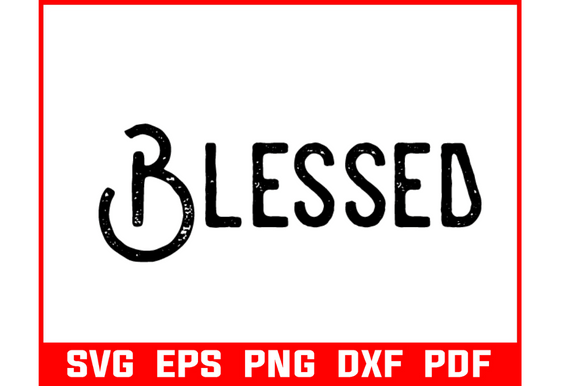
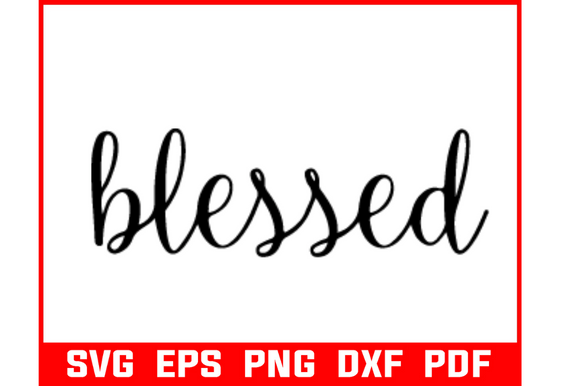
Opening the download, you get a straightforward file set. It includes one SVG, one PDF, one PNG, one DXF, and one EPS. That’s a practical pack for crafts and graphics work. Visually, the design leans into a decorative yet readable logo-style typography. The mood strikes a balance between elegant and playful. It reads as handcrafted but not cluttered, which makes it versatile enough for feminine and unisex product lines alike. In niche terms, I could see this appealing to faith-inspired creative sellers, boutique apparel brands, and anyone building a cohesive look for motivational or inspirational merchandise. The lines are bold, and the silhouette holds up even when scaled down to a pocket-sized print. It doesn’t feel minimal; it has a curated flourish that suits greeting card templates, tote bag designs, and framed printable artwork.
Testing the Asset Before Any Listing Goes Live
My first practical step is always to bring an SVG into Cricut Design Space and check for clean cut paths. With this bundle, the SVG displayed smooth, well-separated layers that didn’t need heavy node cleanup. That’s crucial if your buyers are crafters using Cricut or Silhouette machines and expect the design to weed easily on vinyl or heat transfer material. I mirrored the design, cut it on permanent vinyl in a small size, and also ran a larger version on iron-on. Both weeded without tearing. For the PNG, I tested it on a product mockup template in Canva—placing it on a white mug, a light grey tee, and a dark heather tote. Transparency was intact, edges were crisp, and the contrast held up nicely on both light and dark surfaces, though I’d add a subtle offset or contrast layer if you plan to use it on very busy backdrop images.
The PDF file is handy as a quick reference sheet or bonus inclusion in a printable bundle. You might not base your main product around it, but adding it to a downloadable set can bump up perceived value for customers who want a coloring page or a guide to the lettering style. The DXF and EPS formats open cleanly in professional software, so if you plan to adapt the design for sublimation layouts or scale it for wall decals, you have the vector reliability you need without conversion headaches.
The Thumbnail and Marketplace Reality Check
A design that looks strong on its own still needs to perform as a tiny search result image. I emulated an Etsy listing environment, scaling the PNG down to a realistic thumbnail size. The bold typography held up. It didn’t turn into mud, and the decorative elements remained distinguishable. That’s huge because many ornate fonts lose legibility in a sea of search results. Pairing this asset with a well-styled mockup—say, a crisp mug set or a folded tee on a wooden backdrop—could genuinely increase click-through potential. The key is to let the design breathe. Don’t crowd your main listing image with extra text overlays or busy patterns.
Real Product Applications and Sellable Formats
From a practical seller standpoint, here’s where the asset slots cleanly into actual product lines without forced creativity:
- SVG products – Ready to go for t-shirt decals, tote bag graphics, throw pillow covers, and wood sign stencils.
- PNG design – Works as a standalone clipart for junk journal kits, scrapbooking elements, or printable planner stickers.
- Sublimation design – The vector roots let you scale for mugs, tumblers, and apparel panels. Keep in mind the color palette may need adjustment depending on your press settings.
- Canva templates – Drop the PNG into editable social media graphics, blog post featured images, or inspirational quote frames. It pairs beautifully with both sleek modern layouts and soft vintage aesthetics.
- Printable wall art – At high resolution, you can offer it as an instant download print. Test the PDF output on matte paper; the lines stay sharp.
- Sticker design – The file cuts well for kiss-cut stickers. I tested a small batch on glossy sticker paper and the positive space was forgiving enough for tiny peel-offs, though I’d avoid shrinking it below 2 inches in width for intricate sections.
- Greeting cards and invitations – Place the design on the front of a card layout, leave lots of white space, and you instantly have a crafty, boutique-feel product.
Where This Asset Excels in a Commercial Setup
If you’re building a cohesive brand across multiple product types, the consistent style of this design lets you create a themed bundle. You can use the same graphic across a baby onesie mockup, a digital scrapbook page, and an Etsy digital paper pack without the collection looking chaotic. That brand consistency can lift the perceived value of your whole shop. It’s also great for visual storytelling on Pinterest and Instagram: share a clean mockup with minimal caption overlay, and the design itself drives engagement.
In product mockup staging, the graphic holds attention. Placed on a crisp white background product shot, it reads as premium. For digital download covers, the bold lettering attracts the eye and lets you highlight the file type and size in the surrounding white space. It’s also effective in graphic design asset collections that aim for a rustic yet polished text-centric look.
Careful Application and Potential Pitfalls
It’s not a one-size-fits-all solution. Tiny sticker designs, for example, could lose the delicate inner curves of the typography if you shrink without test-cutting first. I would steer clear of using this on an overly complex background where the wordmark’s edges blend into similar tonal shapes. Dark, muddy backgrounds that don’t have enough contrast might swallow the design’s thinner flourishes. If your product is a low-resolution printable, scale up too much and those subtle flourishes may pixelate if you’re not using the vector source. Always output from the SVG or EPS for large formats.
Additionally, for Cricut and Silhouette crafters, check the SVG layer composition. In my test, the design came as a single compound path, which is fine for most users, but if your customer expects to change individual letter colors or layer them, you may need to release compound paths and label layers clearly before including it in a craft bundle. That extra step boosts the craft-friendliness of your listing and cuts down on customer support messages.
Seller Notes for Test Runs and Quality Control
Before I list any design commercially, I run through this mental checklist. I recommend you do the same with the Blesses Art Svg Bundle Tshirt Logo Svg.
- Preview the graphic on at least three mockup backgrounds: white, soft natural tone, and dark charcoal. Check if the PNG edges hold up without a fuzzy halo.
- Test cut the SVG on both standard vinyl and iron-on. Weed the most delicate inner cutouts. If they struggle, note the recommended minimum size in your product description—this builds trust with crafters.
- Open the EPS and DXF in your preferred vector software. Confirm colors, scale, and outline integrity. Convert fonts to outlines if your software flagged any missing font warnings (though in this case, all text was cleanly outlined).
- Print the PDF on a typical home inkjet with matte paper. Look for uneven ink coverage or thin hairlines that might break in a printable wall art. The lines were solid in my test.
- Verify commercial licensing. The files themselves are standard, but if you incorporate them into a final product for resale, you must ensure the original asset’s commercial use terms align with your intended platform—especially for print-on-demand or digital resale marketplaces.
- Organize your file delivery: include a clear folder structure with the SVG, PNG, DXF, EPS, PDF, and a simple PDF guide explaining usage rights. This reduces buyer confusion and returns.
Pairing with Fonts and Complementary Graphics
When I prepare listing images, I often pair a typographic asset like this with a few font styles to create balanced visual hierarchy. A clean sans serif in a corner for “SVG PNG DXF Included” keeps the graphic as the hero. A delicate script or handwritten font can soften product descriptions on a Canva template. If you create a full design bundle, consider adding a coordinating floral or border graphic that matches the decorative feel of this wordmark. It extends product possibilities and gives the bundle a premium, cohesive look.
I also noticed the design takes well to soft pastel color palettes and kraft paper textures. Using those as backdrop styles in your digital product mockups can attract the craft and handmade business audience. The graphic feels at home alongside rustic wood textures, watercolor washes, and simple line art elements. That versatility helps you build multiple product lines from one core asset.
Practical Verdict for Digital Sellers
After a full round of testing and mockup iterations, the Blesses Art Svg Bundle Tshirt Logo Svg earns its place in a commercial creator’s resource folder. It’s not a flashy trend that’ll be irrelevant next season; it has a steady, marketable charm that appeals to a broad buyer base—from t-shirt crafters to printable artwork enthusiasts. The multiple file formats cover the essential output needs without unnecessary bloat, and the cutting experience in Cricut was smooth enough that I’d confidently add this to a craft-focused SVG bundle.
What impresses me most is its strength on product mockups as a central focal point. Many typographic assets get lost in translation from vector to a live product image. This one maintains impact. That visual reliability translates directly into better listing conversions and fewer disappointed buyers. If you’re building a digital product shop, preparing a new print-on-demand collection, or just refreshing your Etsy library with high-demand crafts and graphics, this is a design asset that pulls its weight without demanding constant tweaking. Just test it on your preferred blanks, organize the files sensibly, and let the design do the heavy lifting where it was built to shine—on real, sellable products.