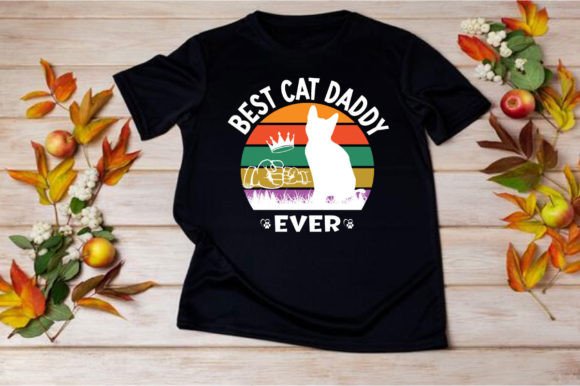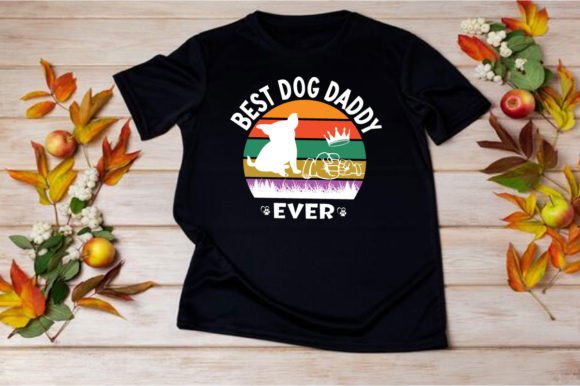
BEST DOG DADDY EVER SVG: A Designer’s Real-Test Review
Every so often a design lands on my desk that immediately sparks a very specific project idea. BEST DOG DADDY EVER, SVG did exactly that. I opened the file, took one look at the lettering style and the overall visual weight, and my mind jumped straight to a soft heather-gray sweatshirt with navy thread, maybe a small paw print accent placed nearby. Not because the design itself contains a paw print, but because the sentiment begs for that kind of playful layout treatment in an embroidery project.
What I want to do here is walk through my actual thought process as someone who stitches designs onto real products every week. This is not a surface-level impression. I have learned the hard way that what looks crisp on a screen can turn into a thread-pulled mess on a knit fabric if you do not think ahead. So I put BEST DOG DADDY EVER, SVG through that mental checklist before ever hooping anything.
First Impression and Mood
The mood reads warm, proud, and a little bit playful. The phrase carries a clear emotional hook. It is not a generic pet-themed slogan. It specifically celebrates a relationship, which makes it immediately giftable. I see this working across Father’s Day products, birthday surprises, new pet owner gifts, and even rescue dog adoption celebration items. The lettering style matters a great deal here. If it leans bold and slightly masculine, it lands perfectly on a cap or a structured jacket back. If it has a softer, handwritten feel, then a lightweight hoodie or a kitchen towel becomes the natural canvas. In either case, the T-Shirt Designs category makes sense as a starting point, but in embroidery the applications stretch far wider.
Where This Design Shines in Real Embroidery Projects
Let me break down the products that genuinely suit BEST DOG DADDY EVER, SVG after considering stitch behavior, fabric interaction, and customer appeal.
- Custom sweatshirts and hoodies: A crewneck with this stitched across the chest in a soft satin stitch feels like an instant bestseller. I would run this in matte polyester thread, keep the density moderate, and avoid overly tight small text that could close up on fleece.
- Canvas tote bags: Sturdy, flat-weave canvas handles dense stitching beautifully. A centered placement with a solid stabilizer underneath creates a crisp, professional finish. The wording feels natural here, almost like a statement piece someone carries to the farmer’s market or the dog park.
- Embroidered patches: I can absolutely see this turned into a sew-on or iron-on patch. The design would need a clean outer border added for a patch shape, but the core artwork is already well-suited. Patches move well on Etsy and in small craft shops, and the sentiment increases perceived value.
- Kitchen towels and aprons: For a dog-loving dad who cooks, this stitched onto a linen-blend towel or a sturdy apron creates a personalized gift that feels thoughtful rather than novelty-driven. Use a water-soluble topping if the towel has any texture to prevent stitch sink.
- Baby and toddler items: I know it sounds unexpected, but a tiny version on a baby onesie celebrating a new dad works beautifully. Reduced size requires testing small lettering clarity, which I will address next.
Testing Fit for Caps and Curved Surfaces
Hats and caps demand special consideration. If BEST DOG DADDY EVER, SVG has a wide horizontal layout, fitting it on a structured six-panel cap front can get tricky. The center seam interferes with lettering, and the curved surface distorts alignment. I would measure the design width carefully and compare against a cap hoop template before committing. For a curved bill or a beanie, the stakes are lower. But caps remain one of the highest-demand personalized products, so checking fit here matters for commercial embroidery planning.
Small Details, Stitch Density, and Stabilizer Strategy
Any design that includes lettering immediately raises questions about legibility at small sizes. I always test a scaled-down version on scrap cotton first. If the design uses thin, delicate strokes, those can disappear under certain thread tensions or on textured fabrics like terry cloth or waffle weave. A running stitch centerline might work better for fine details than a dense satin stitch that puckers. My rule of thumb is to inspect the Graphics file carefully at 100 percent zoom, then imagine thread width sitting inside each path. What looks airy on screen fills in quickly with real thread.
Stabilizer choice shifts depending on the substrate. For knits and stretchy fabrics, a cutaway stabilizer is non-negotiable. For woven cottons and canvas, a tear-away works cleanly. I have seen too many designs stretch out of shape after the first wash because someone skipped proper backing. When I work with BEST DOG DADDY EVER, SVG on a sweatshirt, I pair cutaway stabilizer with a light fusible mesh to lock the knit fibers down before the first stitch lands.
Color Choices and Fabric Surface Decisions
This design type benefits from strong contrast. Light thread on dark fabric or dark thread on light fabric reads instantly. Mid-tone thread on medium-heathered fabric can wash out, especially in photos for online listings. I test my thread selections against both a white mockup and a black mockup in my digitizing software before loading the machine. If I plan to sell the finished products, the listing photos need to communicate clarity, and muddy contrast kills buyer confidence faster than anything else.
Metallic threads add a premium touch for special edition pieces, but they come with their own friction and breakage headaches. I reserve metallic for patches or framed hoop art rather than garments that go through frequent wash cycles.
The Giftability Factor and Customer Psychology
Customers buy emotion first and product second. BEST DOG DADDY EVER, SVG triggers exactly the kind of personal connection that moves inventory. A buyer browsing an Etsy shop or a craft fair booth sees this phrase and immediately pictures someone they love. That mental image closes the sale. For handmade sellers, this is the difference between a generic dog design that sits in a cart and one that gets purchased as a last-minute Father’s Day gift with rush shipping.
I also consider how the design photographs on finished products. Flat lay shots on a clean background, styled with a coffee mug or a leash, tell a lifestyle story. In my own shop, designs with strong emotional messaging consistently outperform purely decorative ones in conversion rate. BEST DOG DADDY EVER, SVG fits squarely in that high-conversion category.
Where Caution Is Required
I always flag the tricky spots honestly. Here is where I would pause and double-check before running production pieces with this design:
- Thin or lightweight fabrics: Jersey, rayon blends, and tissue-weight tees can pucker aggressively under dense stitching. If the design has solid filled areas, those need lighter stitch density compensation for thin substrates.
- Very small hoop sizes: Some embroidery machines max out at 4x4 inches. If the design requires more width to keep lettering legible, scaling down may compromise readability. I always confirm the minimum recommended size before listing products.
- Textured and looped fabrics: Terry cloth, fleece with a high pile, and loosely woven linen can swallow fine lettering. A water-soluble topper helps, but the design still needs sufficient weight in the stitch structure to sit on top of the texture rather than disappear into it.
- Frequent washing environments: If this is going on a dog-walking jacket or a frequently laundered kitchen towel, I choose polyester thread for colorfastness and run a gentle wash test on one sample before offering it to customers.
- Dark fabric considerations: Light thread on dark fabric requires slightly higher density or an underlay stitch to prevent the background color from peeking through. I build this into my digitizing adjustments rather than assuming the default settings will hold up.
Commercial Licensing and Small Shop Use
One of the most important checks I make with any new design asset is the licensing terms. Since the product description does not explicitly detail commercial usage rights for embroidered end products, I strongly recommend verifying what is allowed before stitching items for sale. Some designers permit finished physical products, others limit use to personal projects only, and some require an extended license for commercial embroidery work. The same applies if you plan to resell the digital file itself. I always keep a screenshot of the license terms for my records, because protecting your small business matters just as much as the creative output.
Practical Workflow for a Real Project
Let me share a quick case scenario. Last month a client asked for a custom order: a matching set of tote bags for a family adopting their second rescue dog. The dad in the family was the primary caretaker, and the client wanted something that honored him specifically. I immediately thought of BEST DOG DADDY EVER, SVG. I digitized a version with a medium-density satin stitch, chose a deep forest green thread on natural canvas totes, added a lightweight cutaway stabilizer, and ran one sample. The lettering came out crisp, the sentiment landed exactly right, and the client ordered three more for gifts. That real-world experience tells me this design holds up when the pressure is on and the deadline is tight.
Summing Up Where This Design Fits Best
After evaluating BEST DOG DADDY EVER, SVG across multiple use cases, I would rank it as a high-utility design for the following embroidery niches: personalized apparel for dog lovers, Father’s Day merchandise, adoption celebration gifts, pet-themed boutique products, and quick-turnaround custom orders. It carries enough emotional weight to command a premium price point on finished goods, and the straightforward composition makes it adaptable across a wide range of blank products. The key to success lies in thoughtful fabric selection, proper stabilization, and honest size testing before listing. Treat it as a versatile sentiment piece rather than a one-off single-product design, and it will earn its place in your embroidery collection quickly.