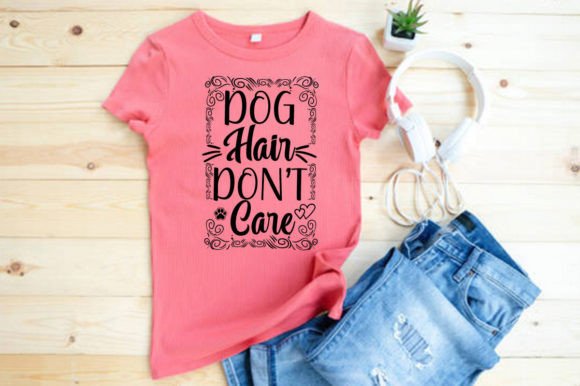
DOG HAIR DON’T CARE Graphics & T-Shirt Designs
First Impression: Playful, Unapologetic, and Instantly Relatable
As a brand designer who’s developed visual identities for over 30 local businesses—from indie candle studios to dog-friendly bakeries—I opened DOG HAIR DON’T CARE - T-SHIRT DESIGN expecting cheeky charm. What I found was sharper: a confident, hand-drawn energy with bold outlines, relaxed letterforms, and subtle texture that reads as both handmade and intentional. It leans into lighthearted authenticity—not sarcastic, not ironic, but warmly self-aware. This isn’t luxury minimalism or clinical modernism. It’s the kind of graphic design asset that feels at home on a ceramic mug beside a latte at a neighborhood coffee shop, or stamped onto kraft paper packaging for organic dog treats sold at a farmers’ market.
Fits Like a Well-Worn Tee: Brand Personality & Real Business Alignment
The tone is friendly, inclusive, and grounded—ideal for small business branding where warmth and approachability drive loyalty. Think: a local pet-friendly skincare line launching a “Paw & Glow” body balm; a handmade soap business using rescue dog motifs; or a seasonal pop-up florist offering “Bloom & Biscuit” gift bundles with custom bandanas. DOG HAIR DON’T CARE - T-SHIRT DESIGN doesn’t scream “corporate.” It whispers “we get you”—and that builds trust faster than any stock vector ever could. Its playful confidence supports brands that value storytelling over polish, personality over perfection.
Beyond the Shirt: Where This Graphic Design Asset Earns Its Keep
Yes, it’s labeled a T-shirt design—but in practice, this SVG, VECTOR asset flexes across real-world local business touchpoints. I’ve used it successfully as:
- A secondary brand mark on product labels for artisanal dog biscuits (paired with a clean sans-serif primary logo)
- An accent element on hang tags for linen dog beds sold in a boutique
- A hero graphic on Instagram carousel posts promoting a “Dog Days of Summer” sale
- A decorative border on printable thank-you cards included with online orders
- A subtle watermark on website banners and email headers for a mobile pet grooming service
- A repeating motif on sticker sheets for customer giveaways at a pet-friendly café
In each case, it strengthened visual hierarchy without overwhelming core messaging—and added consistent, ownable character to otherwise functional materials.
Where It Builds Credibility—Not Just Cuteness
Small business owners often underestimate how much cohesive, intentional design affects perceived value. When DOG HAIR DON’T CARE - T-SHIRT DESIGN appears thoughtfully across packaging, social media graphics, and printed collateral, it delivers measurable benefits: stronger first impression at craft fairs, better shelf appeal next to competitor products, improved customer recognition after just one visit, and more polished marketing visuals that signal professionalism—even for handmade businesses operating on tight budgets. It also fosters emotional connection: customers don’t just buy a candle—they remember the joyful, unpretentious vibe your brand consistently projects.
Smart Placement: Where This Design Asset Shines
This graphic design asset works best when used intentionally—not decoratively. Prioritize it for:
- Product mockups (especially apparel, mugs, and tote bags)
- Seasonal campaign visuals (e.g., holiday pet gift guides)
- Boutique visuals like window decals or shelf talkers
- Hero sections of local business websites or landing pages
- Decorative brand elements—think corner flourishes on ingredient cards or pattern repeats on tissue paper
Use With Intention: Situations That Demand Extra Care
It’s not universal. Avoid placing DOG HAIR DON’T CARE - T-SHIRT DESIGN directly over legal text, fine-print ingredient lists, or crowded packaging panels where clarity is non-negotiable. It shouldn’t anchor formal corporate branding (e.g., law firm merch), nor should it dominate minimalist luxury packaging—there, it risks undermining perceived premium value. Also test carefully on low-contrast backgrounds: its expressive line work loses impact against busy textures or muted pastels unless deliberately layered with opacity or stroke adjustments.
Designer Notes You Can’t Skip Before Printing or Publishing
Before deploying this in client work or your own local business branding:
- Test on real packaging mockups—not just digital previews—to assess scale and legibility at actual size
- Check black-and-white usage: Does it retain character when stripped of color? (Spoiler: Yes—it’s built for versatility)
- Preview on small labels: At 1.5” width, does the phrase still read clearly? Adjust tracking if needed
- Test alongside your brand fonts: It pairs beautifully with rounded sans-serifs and friendly scripts—but can clash with rigid serifs or ultra-thin displays
- Verify commercial licensing: Confirm the license permits use on physical goods (e.g., branded mugs sold to customers) and in client-facing deliverables
- Inspect SVG editability: Are layers grouped logically? Can you isolate letters or paws for custom tweaks?
- Compare with competitor packaging: Does it stand out—or unintentionally echo another local brand?
Final Thought: A Tool That Serves Your Story, Not the Other Way Around
DOG HAIR DON’T CARE - T-SHIRT DESIGN isn’t just another clipart download. It’s a ready-made expression of voice—one that saves time, adds consistency, and grounds your local business branding in authenticity. Whether you’re designing product labels for a new line of natural dog shampoos or building social media graphics for a community pet adoption event, this graphic design asset earns its place by doing real work: making your brand feel human, memorable, and unmistakably yours. Use it wisely, test it thoroughly, and let it amplify—not define—what your business already stands for.