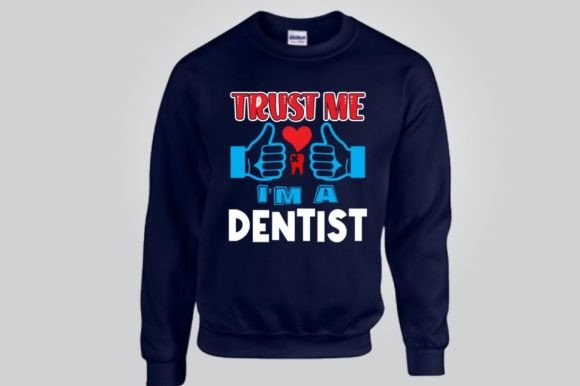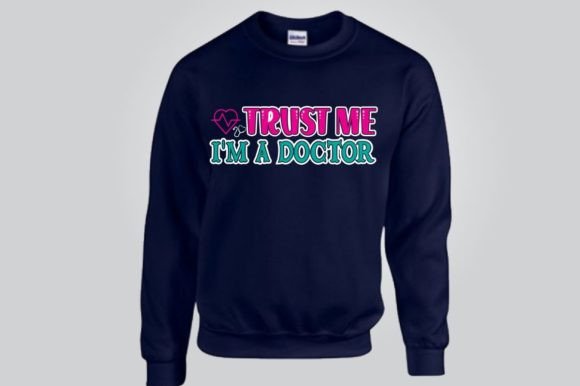
TRUST ME I M a DOCTOR, SVG
A Designer’s First Look: Playful, Punchy — But Is It Embroidery-Ready?
When I opened TRUST ME I M a DOCTOR, SVG for the first time, my instinct wasn’t to click “print” — it was to hold it up against real fabric in my mind. This isn’t just a graphic; it’s a tone, a wink, a tiny bit of professional swagger wrapped in bold, compact lettering. As someone who’s stitched hundreds of text-based designs onto everything from baby onesies to boutique aprons, I immediately asked: *Will this read clearly at 3 inches tall on a sweatshirt? Will the spacing hold up in satin stitch? Does “I M” (not “I’M”) land as intentional charm or accidental typo?*
Real-Life Test: A Nurse’s Embroidered Tote for Hospital Orientation Week
Last month, a local pediatric nurse commissioned a custom embroidered tote bag — not for herself, but for her team’s new hires. She wanted something warm, human, and lightly humorous to soften the intensity of orientation week. TRUST ME I M a DOCTOR, SVG fit that brief perfectly: short enough for a side panel, confident without being clinical, and instantly recognizable to healthcare workers. We sized it to 2.75" wide, centered it on a natural canvas tote, and stitched it in navy thread on off-white fabric. The result? Crisp, legible, and conversation-starting — especially when paired with a subtle stethoscope icon (added separately). That’s where this design shines: as a standalone statement on structured, medium-weight fabric.
Where It Works Best — And Where It Needs Caution
TRUST ME I M a DOCTOR, SVG is strongest on flat, stable surfaces with room to breathe:
- Custom apparel: Sweatshirts, logo sleeve tees, and relaxed-fit t-shirts — especially with a clean, modern cut.
- Tote bag design: Canvas, duck cloth, or midweight linen blends hold the letterforms beautifully.
- Embroidered patch: When digitized well, it translates cleanly into a sew-on or iron-on patch for lab coats or backpacks.
- Baby embroidery: On a soft cotton onesie or burp cloth — if scaled down carefully and stitched with low-density fill.
- Holiday embroidery: Think “White Coat Christmas” mugs or pillow covers — playful but not childish.
But here’s what demands attention before you load it into your machine:
- Small hoop sizes: Below 4" width, the spacing between letters tightens visually — test stitch density to avoid thread buildup in the “T”, “R”, and “U” curves.
- Textured or stretchy fabric: On ribbed knits or thin jersey, stabilizer choice is non-negotiable. Use cutaway + tear-away combo for reliability.
- Dark fabric: Light-colored thread (white, pale gray, mint) pops — but avoid pastel pinks or yellows unless contrast is verified in mockups.
- Curved surfaces like caps: The horizontal layout doesn’t wrap naturally. Reserve it for front panels only — never curved bill or back strap.
- Dense stitch areas: If digitized with heavy satin borders or thick fill, it may feel stiff on lightweight tees or baby items. Always inspect the file’s stitch density before finalizing.
What This Design Says — Before You Even Stitch a Thread
As a designer, I pay close attention to how a graphic shapes perception. TRUST ME I M a DOCTOR, SVG reads as approachable, self-aware, and gently irreverent — ideal for handmade product branding that wants to stand out in a sea of sterile medical logos. It builds customer trust not through authority alone, but through relatability. That matters whether you’re listing it on Etsy as a digital embroidery file or stitching it onto 50 tote bags for a hospital gift shop.
For craft business owners: this design leans into niche authenticity. It won’t appeal to every buyer — and that’s its strength. It attracts healthcare workers, med students, science teachers, and even proud parents of future doctors. Its simplicity makes it easy to pair with complementary elements (a red cross, a DNA helix, or minimalist anatomy line art), supporting cohesive brand consistency across your small shop product line.
Practical Embroidery Designer Notes — Not Suggestions, But Must-Dos
- Test on scrap fabric first — especially if using textured or dark material. Stitch at your intended size and check readability under natural light.
- Review thread color contrast in both black-and-white and grayscale mockups. What looks bold on screen can vanish on charcoal fleece.
- Confirm hoop size compatibility. If your machine requires re-hooping mid-design, verify that the layout allows clean registration.
- Inspect small details: The lowercase “m” and single apostrophe omission (“I M”) are stylistic — but ensure they’re intentional in the vector file, not rendering artifacts.
- Use proper stabilizer — medium-weight cutaway for knits, tear-away for stable wovens. Skipping this step risks puckering and misaligned letter spacing.
- Check licensing before selling finished items. Since this is categorized as Graphics and listed under T-Shirt Designs, confirm whether commercial use is permitted for physical products or resale of digital files.
- Compare light and dark fabric backgrounds in printable mockups — don’t rely solely on screen previews.
Final Thought: A Confident, Compact Statement — With Clear Boundaries
TRUST ME I M a DOCTOR, SVG isn’t trying to be everything. It’s a focused, personality-driven machine embroidery design that works best when matched thoughtfully to the right product, fabric, and audience. It elevates a plain sweatshirt into a wearable inside joke. It adds warmth to a clinical setting. It gives a handmade product instant voice — as long as you respect its limits.
If you’re an Etsy seller curating a collection of healthcare-themed embroidery files, a small shop owner building holiday inventory, or a craft fair vendor stitching personalized gifts for med school grads — this design earns its place. Just remember: great embroidery starts with intention, not impulse. Test it. Touch it. See it stitched — then let it speak for itself.